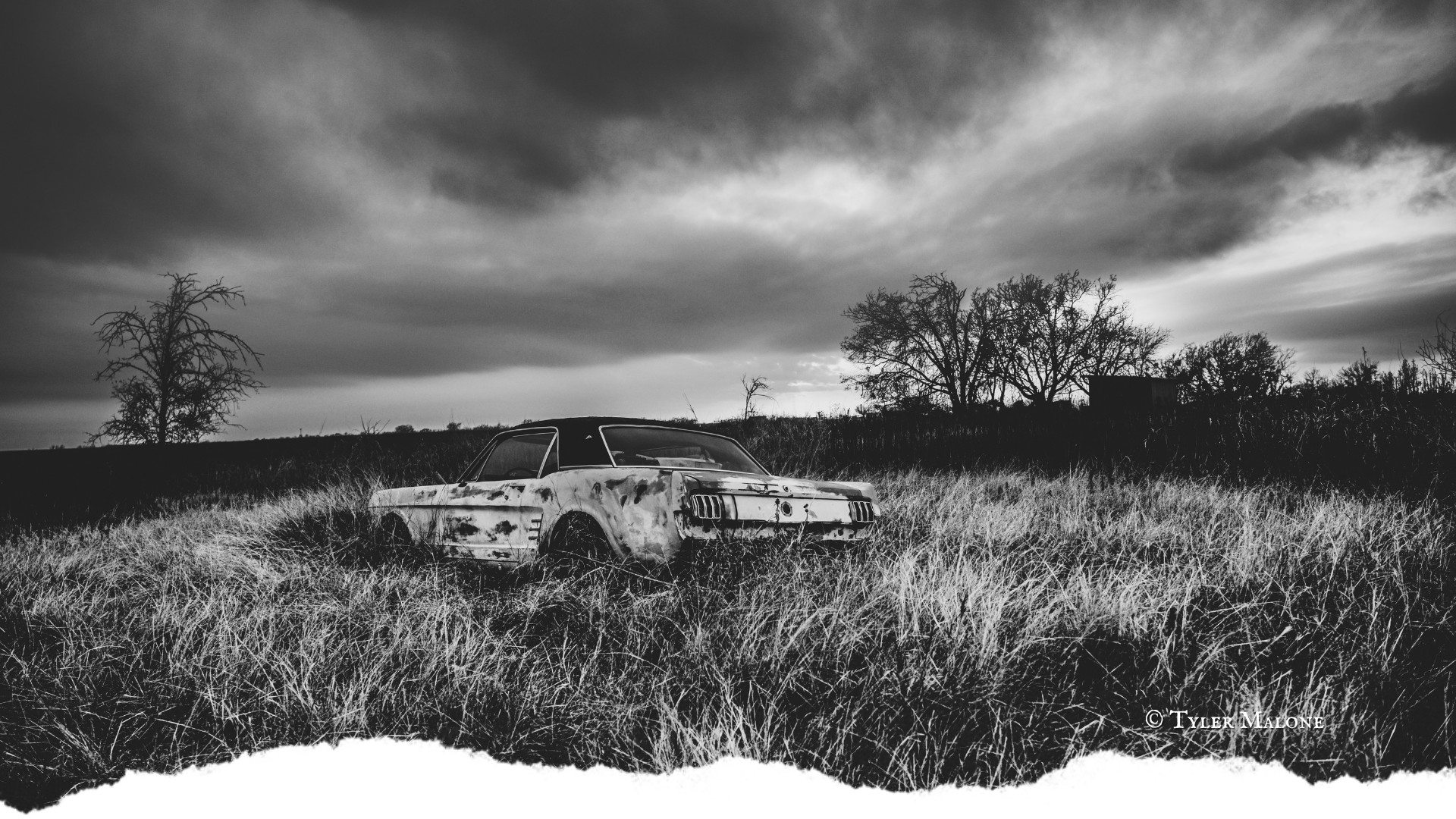
Nadá’ Hintį́į́ Naltsoos / Corn Field Obituary
by Alexis Clifton

It’s not until you’re standing alone in the center of that pale field, dense with corn stalks in the summertime, woven in red snakes and sugarsnap grasshoppers, that it occurs to you that this is a place meant for killing people.
And maybe this is a realization made too late, because by now Seth has died and Carissa has disappeared and Sarah-May has followed along and Dylan’s eyes have rolled back like two little marbles dropped into a river—but there’s still one more. You’re nothing like the little paisley-covered fortune teller who tables off the highway, but somehow you know he’s next. Like the inevitability of the Dakota Access Pipeline creeping over the plains, or the SpaceX data centers circling in on Kíłááhíí like gators on a drowning fawn, the bubbles coming up in the shape of metallic lottery card scratch-offs. Death is looming at his right shoulder, and he’s always been right handed. And with his left hand all he has ever done is scratch the leftover itch at the small of his back where a rash had formed, irritated from all those nights laid back against worn wood floors while waiting for the high to go down, the alcohol to make its course. All those drinks mixed with the bathtub moonshine made in an abandoned plantation house built on top of an old burial mound, the brown bodies beneath weighed down by the post-colonial lives of their descendants who could not bear the knowledge of long, violent histories that placed them in the center of a never-ending slow dying. So they replaced the hurt with liquid; flash floods of Evan Williams, golden brown puddles that pooled down into socks, trailing behind feet as the border lines of the reservation.
But it wasn’t always like this, and you know that. In the mornings, he used to wake up to a house filled with the neon sound of his brother playing NDN rap in the kitchen, the smell of spam sizzling on oil, their mother in the one bathroom they all shared teasing her hair and perfuming it with pineapple flower. The trailer would creak as his body moved past the walls covered by the intricacies of the modern American Indian family — the expected eagle feather put-up, the school pictures, the film negatives of ancestors clad in buckskin, the old blankets to cover the curtains when night fell. But there are no blankets thick enough to keep out the night that pulls you in, you’ve heard him say while standing by the disturbed ground of his brother’s grave. The 21st century Indian, he said, receives his reparations in the forms of dry bread, mildew, or pickups that only run for a few miles at a time.
On Sunday, while the sun is just barely beginning to cry down onto the orange dirt, they will find him there — still warm, blood congealing along needled veins with the copperheads curling around his head like a halo. The little fronds of cover crop grass will lean in towards him, as though crying, falling to brown skin and brushing softly, like a mother. His old baby blue Chevy that hardly ran will be raised against the ground, parked haphazardly, the doors unlocked. The space in the glovebox where he kept a marked up .22 will be empty. When you see his body, a small dark spot against breathing waves of gold and green, there will be no shock. Just an overwhelming confirmation of what you’d wanted to deny all that time. Soon, it would be you.
You’ll wish you’d paid more attention.
For now, though, he is here, smiling, eyes wrinkled against a laugh that seems to search for something. The bags under his eyes are the only other shade of purple that exists beneath dark clouds. You’re eating greasy gas station food on the end of an old dock and imagining what it would be like if everyone was back and breathing there with you, soft undersides pierced by grey splinters while the night passed easy. You wonder if he’s ever thought the same.
“When the ground runs out of room for all these bodies,” You ask, looking back towards land, “where will they go?”
“The corn field, probably.” He says, reaching his left hand around his torso, clawing, again, at the itch that won’t leave.

Alexis Clifton (she/her) is a Native (Lipan Apache, Wixárika) and Spanish writer based in the green haze of the South. She has award-winning work published in The Amazine, Bending Genres, Cellar Door, and more, and was longlisted for the Coppice Prize in Writing. You can find her at the farmers’ market, the local bookstore, her garden, a bonfire, or on Instagram.
